
(833) 391-1038
24/7 Assistance
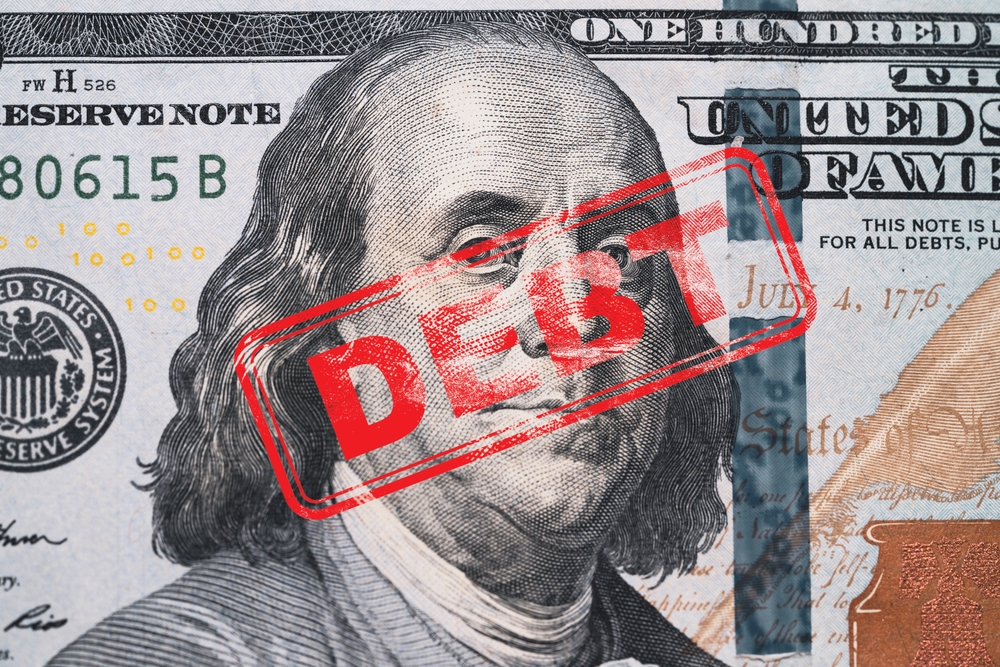
What starts as a missed tax payment can quickly evolve into a serious financial crisis. The IRS has formidable collection powers that can dramatically impact your finances, professional life, and personal wellbeing. Understanding these consequences might be the motivation you need to address tax issues before they spiral out of control.
What happens: Unpaid taxes accumulate penalties and interest daily, often at rates higher than most consumer loans. These additional charges compound rapidly, potentially doubling your original tax debt in just a few years.
Why it’s serious: This snowball effect creates:
For example, a $10,000 tax debt can grow to over $20,000 in just five years with penalties and interest, making what might have been manageable initially into an overwhelming financial burden.
What happens: The IRS files a Notice of Federal Tax Lien, a public document that attaches to all your property and establishes the government’s legal claim to your assets.
Why it’s more serious: Tax liens are particularly harmful because they:
Even after you pay your tax debt, the damage to your credit can persist for years.
What happens: The IRS can freeze and seize funds from your bank accounts with minimal advance notice. Often, the first indication you’ll have of this action is when your debit card is unexpectedly declined or your checks start bouncing.
Why it’s increasingly serious: A bank levy triggers a domino effect of financial problems, including:
Unlike many other creditors, the IRS can take these actions without first obtaining a court judgment.
What happens: When you ignore tax notices, the IRS can legally order your employer to redirect a substantial portion of your paycheck directly to the government. This happens with little notice and continues until your tax debt is resolved or you establish an alternative payment arrangement.
Why it’s very serious: Beyond the immediate financial hardship, wage garnishment creates awkward workplace situations as your employer becomes aware of your tax problems. Many people find this public exposure of their financial difficulties particularly humiliating. Your take-home pay could be reduced by as much as 70% in some cases, making it nearly impossible to cover basic living expenses.
What happens: While uncommon for simple delinquency, deliberate tax evasion or prolonged nonpayment can lead to criminal charges. Tax evasion is a federal offense carrying severe penalties including substantial fines and potential imprisonment.
Why it’s the most devastating: A criminal tax conviction:
The IRS pursues criminal charges in less than 1% of cases, but when they do, they have a conviction rate of approximately 90%.
If you’re facing tax debt, understanding your options is crucial. The IRS offers various resolution programs including:
Navigating IRS procedures requires specialized knowledge and experience. At TaxDebtLawyer.net, our network of qualified tax attorneys specializes in resolving complex tax debt issues and protecting clients from these severe consequences.
We offer free, no-obligation consultations to assess your situation and outline potential solutions. Our attorneys can:
Don’t let tax debt control your financial future. Contact TaxDebtLawyer.net today to schedule your confidential consultation with a tax resolution specialist.

Advertising. This site is a marketing service and does not provide legal or tax advice. Submitting information does not create an attorney-client, tax professional-client, or any other advisory relationship. Results are not guaranteed. A list of participating attorneys, tax firms, and tax providers is available here.